What Makes LSZH Cables Different
Traditional cable insulation materials—particularly polyvinyl chloride (PVC)—release dense smoke, toxic gases, and corrosive hydrochloric acid when exposed to fire. These combustion products pose severe threats to building occupants and emergency responders, obscuring evacuation routes and causing respiratory injury. Low-smoke halogen-free cables address these dangers through advanced material science.
LSZH cables utilize compounds based on polyolefin polymers, typically polyethylene or polypropylene, combined with mineral fillers like aluminum hydroxide or magnesium hydroxide. When exposed to heat, these additives undergo endothermic decomposition, absorbing energy while releasing water vapor. This process slows flame spread, reduces smoke production, and eliminates the release of corrosive halogens.
The absence of chlorine, fluorine, bromine, and other halogens in LSZH materials means combustion produces minimal acidic gases. This protects sensitive electronic equipment from corrosion damage—a critical consideration for data centers, telecommunications facilities, and control rooms where post-fire equipment recovery matters.
The Human Cost of Smoke and Toxic Fumes
Fire statistics consistently demonstrate that smoke inhalation—not burns—causes the majority of fire-related fatalities. In enclosed spaces with modern synthetic materials, toxic gas release can incapacitate occupants within seconds, preventing escape even when flames remain distant.
LSZH cables dramatically improve survivability by reducing smoke density, enabling faster evacuation and more effective emergency response. Buildings equipped with low-smoke cables provide occupants precious additional minutes to reach safety. For high-occupancy structures—hospitals, schools, hotels, and office towers—this time differential translates directly to lives saved.
Emergency responders face substantially lower risk in buildings using LSZH cables. Reduced toxic gas levels mean fewer chemical burns to respiratory systems and eyes, allowing longer intervention times and more effective rescue operations. Many jurisdictions now mandate LSZH cables in areas frequented by emergency services for this reason.
Global Regulatory Trends Driving Adoption
Building codes worldwide increasingly mandate or incentivize LSZH cable usage in specific applications. The European Union’s Construction Products Regulation requires reduced fire performance classification for cables in public buildings, with LSZH materials often comprising the baseline requirement.
In the United States, the National Electrical Code (NEC) specifies limited-smoke requirements for cables in plenum spaces—air handling passages where smoke can spread rapidly throughout buildings. Similar requirements apply to riser applications connecting multiple floors.
Asia-Pacific markets show accelerating LSZH adoption as developing nations strengthen building safety regulations. China’s GB standards now include specific LSZH classifications for public buildings, while Singapore, Australia, and other nations maintain comprehensive requirements. Projects serving international markets increasingly specify LSZH as standard rather than premium material.
Multinational corporations often impose corporate standards exceeding local codes, mandating LSZH throughout their global facilities for consistency and liability management. This standardization simplifies procurement while demonstrating commitment to occupant safety and environmental responsibility.
Ideal Applications for LSZH Cables
LSZH cables excel in enclosed spaces where smoke accumulation poses particular danger. Transit systems—subways, airports, and railway stations—benefit enormously from reduced smoke production during incidents, maintaining visibility for evacuation and emergency response.
Healthcare facilities present compelling LSZH cases due to vulnerable populations and complex evacuation challenges. Hospitals, nursing homes, and medical centers increasingly specify low-smoke materials throughout their electrical systems. The ability to maintain evacuation route visibility during electrical fires protects both patients and staff.
Educational institutions face similar challenges, with young children and large gathering spaces complicating evacuation procedures. Schools and universities across Europe, Asia, and North America now routinely specify LSZH cables during construction and renovation projects.
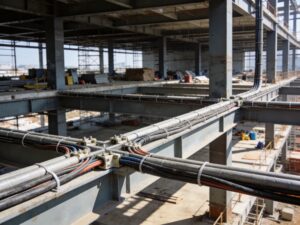
Commercial high-rises, hotels, and residential towers benefit from LSZH installation in vertical risers and horizontal runs connecting multiple floors. Cable failures in these pathways can distribute smoke throughout entire buildings, making low-smoke materials particularly valuable.
Data centers and server facilities merit special consideration. Post-incident equipment recovery depends on minimizing corrosive damage from smoke and gas exposure. LSZH cables reduce chemical contamination, potentially saving millions in equipment replacement costs following electrical fires.
Technical Considerations and Trade-offs
LSZH cables generally cost more than PVC alternatives—typically 15-30% premium depending on application and market conditions. However, total installed costs often show smaller differentials when accounting for reduced containment requirements and simplified fire suppression needs.
Mechanical properties of LSZH materials differ from PVC. LSZH compounds tend toward reduced flexibility and lower impact resistance at cold temperatures. Installation practices must account for these characteristics, particularly in outdoor applications or unconditioned spaces.
Jacket formulations vary significantly among manufacturers. Premium LSZH cables offer enhanced flexibility, improved low-temperature performance, and superior fire resistance through advanced additive packages. Understanding specific formulation characteristics helps buyers select appropriate products for their applications.
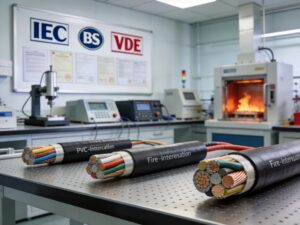
Third-party certification verifies that LSZH cables meet established fire performance standards. Look for certifications from recognized laboratories confirming smoke density, acidity, and flame spread performance.
Conclusion
Low-smoke halogen-free cables represent a fundamental advancement in building safety, addressing the primary cause of fire-related fatalities while protecting property and equipment. Regulatory momentum continues building globally, making LSZH increasingly standard rather than optional across commercial construction sectors.
For project teams balancing safety, compliance, and budget considerations, LSZH cables deliver compelling value. The modest cost premium translates to substantial benefits in occupant protection, emergency response capability, and long-term building resilience.
Jinyi Cable Co., Ltd. manufactures comprehensive LSZH cable product lines meeting international fire safety standards including IEC, BS, and GB requirements. Our technical specialists support international buyers in specifying appropriate low-smoke solutions for commercial and industrial applications.