The Technology Behind Cross-Linked Polyethylene
Cross-linked polyethylene (XLPE) represents one of the most significant advancements in cable insulation technology over the past half-century. Unlike ordinary polyethylene, which softens and melts at elevated temperatures, XLPE undergoes a chemical cross-linking process that creates three-dimensional molecular bonds. These bonds transform the material from thermoplastic to thermoset, dramatically improving its thermal, mechanical, and electrical properties.
The cross-linking process typically employs one of three methods: peroxide cross-linking (using high temperature and pressure to activate cross-linking agents), silane cross-linking (moisture-curable compounds that link when exposed to water), or electron beam cross-linking (high-energy radiation that breaks and reforms molecular bonds). Each method produces XLPE with slightly different characteristics suited to specific applications.
XLPE insulation maintains its structural integrity at temperatures up to 90°C continuously—substantially higher than paper insulation or older thermoplastic materials. Short-term emergency ratings can reach 130°C or higher, providing substantial overload capacity. This thermal resilience translates directly to higher current-carrying capacity and longer service life.
Superior Electrical Performance
XLPE insulation offers exceptional dielectric properties that translate to practical performance advantages. Dielectric losses remain low across a wide frequency range, making XLPE suitable for variable frequency drive applications where conventional materials would generate excessive heat. The stable dielectric constant enables consistent capacitance characteristics throughout the cable’s operational life.
Water treeing—dendritic degradation patterns that develop in polyethylene insulation when exposed to moisture and electrical stress—historically limited polyethylene cable reliability. XLPE’s cross-linked molecular structure resists water tree formation, enabling reliable service in wet environments without specialized moisture barriers. Modern XLPE compounds incorporate additional additives that further suppress water tree growth.
The smooth, void-free surface achievable with XLPE extrusion minimizes electrical stress concentrations at conductor interfaces. Advanced extrusion technology produces insulation with minimal surface irregularities that could initiate electrical breakdown. Combined with carefully designed conductor shields and insulation screens, XLPE constructions achieve exceptional dielectric strength.
Thermal Performance and Current Capacity
The enhanced thermal performance of XLPE cables provides multiple practical benefits. Higher continuous operating temperatures enable smaller conductors to carry equivalent current compared to lower-rated materials, reducing material costs and simplifying installation. Alternatively, the same conductor size achieves greater ampacity in XLPE construction.
Short-term overload capacity represents another significant advantage. XLPE cables can safely carry emergency overloads substantially exceeding normal ratings without suffering insulation damage. This overload capability provides system flexibility during peak demand periods or equipment failures affecting adjacent circuits.
Thermal aging resistance ensures XLPE cables maintain performance throughout their service life. Cross-linked materials resist oxidation and thermal degradation that gradually reduce insulation properties in less stable materials. Properly installed XLPE cables routinely achieve 30+ year service life, often exceeding original design expectations.
The relationship between maximum operating temperature and current capacity follows standardized tables, but actual installation conditions significantly influence ampacity. XLPE cables in conduit, underground installations, and grouped configurations require appropriate derating calculations to ensure safe operating temperatures.
Application Range and Versatility
Low-voltage applications (up to 1,000V) represent the largest volume market for XLPE cables. Building wire, power distribution in commercial facilities, and industrial plant wiring commonly specify XLPE insulated cables for their combination of performance and cost advantages.
Medium-voltage applications (up to 35kV) showcase XLPE’s capabilities in utility and heavy industrial distribution. Underground feeders, substations, and industrial power systems rely on XLPE insulated cables for reliable service. The technology has largely replaced paper-insulated lead-covered (PILC) cables in new installations due to superior handling and maintenance characteristics.
High-voltage applications (above 35kV) increasingly adopt XLPE insulation as manufacturing technology advances. Modern XLPE cables operate reliably at transmission voltages up to 500kV, serving underground transmission links in urban areas, offshore installations, and situations where overhead lines prove impractical.
Specialized XLPE compounds extend cable capabilities into demanding applications. Fire-resistant XLPE maintains circuit integrity during exposure to flames. Oil-resistant XLPE compounds serve industrial environments with petroleum exposure. UV-resistant XLPE enables outdoor installation without protective conduit or covering.
Installation Advantages and Considerations
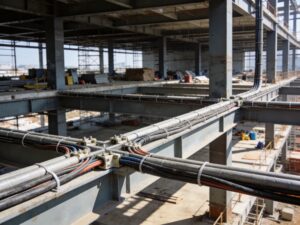
XLPE cables offer practical installation advantages compared to many alternatives. The material’s flexibility facilitates pulling through conduit and cable trays, while its relatively light weight simplifies handling. No special termination techniques beyond standard industry practices are required, unlike paper-insulated cables that demand skilled splicers and specialized materials.
Maximum pulling tensions for XLPE cables depend on conductor material, construction type, and installation method. Steel pulling grips can damage XLPE insulation if improperly applied; mesh grips with appropriate design distribute pulling forces safely. Long pulls require calculation of sidewall pressure to prevent insulation damage from compressive forces at bends.
Minimum bend radius requirements for XLPE cables are generally more generous than paper-insulated alternatives but tighter than fully flexible rubber cables. Following manufacturer-recommended bend radii prevents insulation damage and jacket splitting. Pre-planning cable routing simplifies installation while ensuring compliant bends.
Terminations for XLPE cables employ standard techniques appropriate to voltage class. Heat-shrink terminations, cold-shrink terminations, and cast resin terminations all suit XLPE insulation. Compatible materials ensure reliable long-term performance without insulation degradation from material incompatibility.
Quality Indicators and Manufacturing Excellence
XLPE cable quality depends heavily on manufacturing consistency and raw material selection. Virgin polyethylene compounds from established suppliers ensure predictable performance, while reprocessed or contaminated materials risk early failure. Reputable manufacturers maintain strict incoming material inspection and compounding controls.
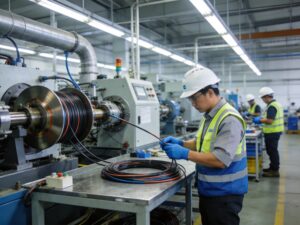
Extrusion precision determines insulation quality. Advanced extrusion lines with laser diameter control,火花 tests, and online quality monitoring detect defects before they reach customers. The best manufacturers employ multiple quality gates throughout production, testing finished cables to verify electrical performance.
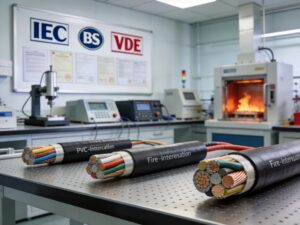
Certification to international standards (IEC, BS, VDE, GB) verifies that XLPE cables meet established performance criteria. Third-party certification from independent laboratories provides additional assurance of manufacturing consistency. Major projects increasingly require certification documentation from cable suppliers.
Conclusion
XLPE insulated cables have become the dominant choice for modern power distribution, offering an attractive combination of electrical performance, thermal capacity, mechanical durability, and installation practicality. The technology’s proven reliability over decades of service makes it the default selection for most applications from low-voltage building wire through high-voltage transmission.
Understanding XLPE cable characteristics helps procurement professionals specify appropriate products and evaluate supplier capabilities. Working with established manufacturers ensures access to quality materials and technical support throughout project execution.
Jinyi Cable Co., Ltd. manufactures XLPE insulated cables for applications from low voltage through 35kV, meeting IEC, BS, VDE, and GB standards. Our production facilities utilize advanced extrusion technology to ensure consistent quality in every cable length.